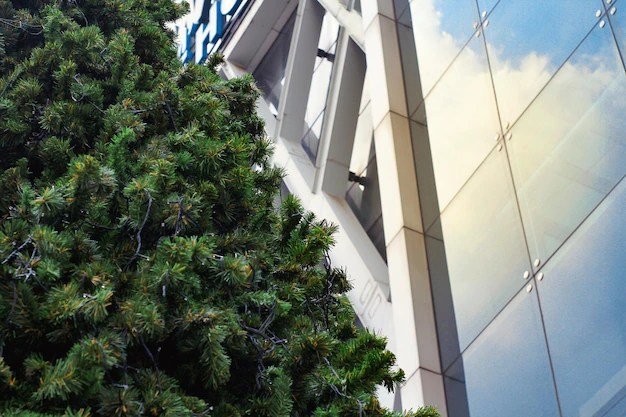
Step outside, take a deep breath. Chances are, a conifer – a pine, fir, spruce, cedar, or cypress – is quietly working nearby. These ancient trees, with their characteristic cones and often needle-like or scale-like leaves, are far more than just green backdrop; they're vital to our economy, our homes, and the very air we breathe. From the towering timber that builds our houses to the fragrant pine in our living rooms each holiday season, the commercial and residential uses of conifers are woven deeply into the fabric of human society. Yet, ironically, the very expansion of these human endeavors, particularly through rapid urban development, now presents an existential threat to many conifer species, pushing some to the brink of extinction.
At a Glance: Conifers at a Crossroads
- Ubiquitous Utility: Conifers are indispensable for timber, paper, resins, and a myriad of other commercial products.
- Home & Hearth: In residential settings, they provide aesthetic beauty, privacy, shade, and seasonal cheer.
- Ecological Anchors: Beyond human use, they form critical ecosystems, supporting biodiversity and regulating climate.
- The Looming Threat: Residential and commercial development is fragmenting and destroying conifer habitats at an alarming rate.
- Unintended Consequences: Even protected areas face new dangers from increased human traffic, leading to fires, pests, and diseases.
- A Call to Action: Sustainable practices, smart urban planning, and individual awareness are crucial to safeguard these essential trees.
The Silent Giants: Why Conifers Are Indispensable
Conifers, a group of trees and shrubs that have graced our planet for millions of years, are true ecological powerhouses. They're often evergreen, bringing life and color to landscapes even in the depths of winter. But their impact goes far beyond aesthetics. They play a critical role in global oxygen production, carbon sequestration, and soil stabilization, forming the backbone of countless forest ecosystems worldwide. Indeed, the sheer diversity of conifer varieties speaks to their adaptability and widespread importance, from the arid deserts to the icy tundras.
Conifers Shaping Our World: A Deep Dive into Commercial Uses
The economic value of conifers is monumental, underpinning entire industries and supplying essential materials for daily life.
The Backbone of Construction: Timber and Lumber
When you think of a house, a deck, or even a piece of furniture, chances are, conifer wood played a role. Species like Douglas fir, Southern Yellow Pine, spruce, and hemlock are the workhorses of the construction industry. Their strength-to-weight ratio, ease of workability, and relatively fast growth rates make them ideal for:
- Structural Framing: The skeleton of most homes and commercial buildings.
- Plywood and Engineered Wood Products: Glued veneers or wood fibers pressed into strong, stable sheets for sheathing, subflooring, and beams.
- Decking and Fencing: Pressure-treated lumber, often pine, provides durable outdoor surfaces.
- Furniture and Cabinetry: While hardwoods are often preferred for fine furniture, conifers like knotty pine offer a distinct rustic aesthetic.
From Forest to Page: Paper and Pulp Products
Every book, newspaper, cardboard box, and tissue you use owes a debt to conifers. Softwood fibers, primarily from spruce, pine, and fir, are long and strong, making them excellent for producing high-quality paper and pulp products. The pulp and paper industry is a global giant, relying heavily on sustainable conifer forests to meet demand for everything from packaging to hygiene products.
Beyond the Beam: Resins, Oils, and Specialty Products
Conifers are veritable natural chemical factories. Their sap, or resin, has been tapped for centuries to produce a variety of goods:
- Turpentine and Rosin: Derived from pine resin, these have applications in paints, varnishes, adhesives, and even perfumes.
- Essential Oils: Certain conifers, like Balsam Fir or Scots Pine, yield essential oils used in aromatherapy, cleaning products, and perfumes.
- Medicinal Uses: Historically, conifer extracts have been used for their antiseptic and anti-inflammatory properties, and modern research continues to explore their potential.
- Christmas Trees: A multi-billion dollar industry thrives around specific conifer species like Fraser Fir, Balsam Fir, and Douglas Fir, grown specifically for festive decorations.
Sustainable Forestry: Balancing Demand with Preservation
Modern commercial forestry aims for sustainable practices, recognizing that forests are not infinite resources. This involves:
- Reforestation: Actively planting new trees after harvesting to ensure a continuous supply and maintain forest cover.
- Selective Logging: Harvesting only mature trees or specific species to minimize ecosystem disruption.
- Forest Management Plans: Developing strategies to protect biodiversity, water quality, and wildlife habitats while still allowing for timber production.
The conversation around the broader utility of evergreens often highlights these commercial applications, underscoring their persistent economic and ecological benefits.
Bringing Nature Home: Residential Uses of Conifers
Beyond the industrial scale, conifers enrich our daily lives directly in our homes and gardens, offering beauty, practicality, and a touch of wildness. The conifersgarden.com resource elaborates on many of these domestic applications, emphasizing their versatility.
Aesthetic Appeal: Living Sculptures for Your Yard
Conifers come in an astonishing array of shapes, sizes, and colors, making them incredibly versatile for residential landscaping:
- Specimen Trees: A majestic conifer like a Blue Spruce or a Cedar of Lebanon can serve as a stunning focal point in a large yard.
- Hedges and Screens: Dense conifers like Arborvitae or Leyland Cypress offer year-round privacy and noise reduction, creating green walls that define property lines.
- Foundation Plantings: Dwarf conifers provide texture and interest around the base of a house without overwhelming the structure.
- Rock Gardens and Containers: Miniature and slow-growing varieties thrive in smaller spaces, adding evergreen structure.
- Seasonal Color: While often thought of as green, conifers offer hues ranging from vibrant golds (Golden Mop Cypress) to silvery blues (Colorado Blue Spruce) and even reddish tones in winter (some Junipers).
Practical Benefits for Homeowners
It's not just about looks; conifers offer tangible advantages for your home and property:
- Year-Round Privacy: Unlike deciduous trees, evergreens maintain their foliage through winter, providing consistent screening.
- Windbreaks: Rows of conifers can significantly reduce wind speeds, protecting homes, gardens, and reducing heating costs.
- Shade and Cooling: Strategically placed conifers can cast cooling shade in summer, reducing air conditioning demands.
- Erosion Control: Their extensive root systems help stabilize soil on slopes and prevent runoff.
- Wildlife Habitat: Many conifer species provide shelter and nesting sites for birds and small mammals, attracting biodiversity to your backyard.
- Noise Reduction: Their dense foliage can help absorb sound, creating a quieter living environment, especially in urban or suburban settings.
Holiday Traditions: The Heart of Seasonal Decor
For many, the most cherished residential use of conifers centers around holiday traditions. The aroma of a fresh-cut Balsam Fir, the twinkling lights on a Fraser Fir Christmas tree, and the festive adornments of pine and cedar garlands are synonymous with warmth and celebration. This annual ritual highlights the deep emotional connection we have to these trees.
The Unseen Threat: Development Imperiling Conifer Futures
Despite their immense value, the very human activities that utilize conifers so extensively are also their greatest threat. The surge in residential and commercial development, driven by an ever-growing global population, is leading to a rapid and alarming decline in conifer habitats, pushing many species to the brink.
The Urbanization Onslaught: Fragmenting Forests
As the global population expands – with estimates suggesting 60% of the Earth's inhabitants will live in urban areas by 2030 – the demand for housing, infrastructure, and commercial spaces intensifies. This "urbanization" process directly alters forest ecosystems in profound ways, as detailed by the Royal Botanic Garden Edinburgh (RBGE):
- Habitat Removal: Large tracts of land surrounding urban centers are cleared to make way for new developments, directly eliminating conifer forests.
- Forest Fragmentation: Remaining forest patches become isolated islands, making it difficult for wildlife to move between them and reducing genetic diversity within populations. This also leaves smaller patches more vulnerable to "edge effects" – increased exposure to wind, sunlight, and invasive species.
Indirect Impacts: A Cascade of Ecological Changes
The effects of development aren't limited to physical destruction. Urbanization indirectly modifies forest ecosystems in several critical ways:
- Altered Hydrology: Impermeable surfaces like roads and buildings change natural water flow, increasing runoff, reducing groundwater recharge, and affecting soil moisture crucial for conifer health.
- Modified Nutrient Cycling: Changes in soil composition, pollution, and altered decomposition processes disrupt the natural nutrient cycles essential for forest growth.
- Altered Disturbance Regimes: Human activity often changes natural fire patterns (either suppressing necessary fires or causing destructive ones), and introduces new pests and diseases.
- Changing Atmospheric Conditions: Increased air pollution and altered microclimates from urban heat islands can stress conifers and make them more susceptible to other threats.
The Paradox of Protection: When Parks Become Part of the Problem
Ironically, even areas designated to protect biodiversity, such as national parks or nature reserves, can suffer negative impacts from residential and commercial development pressures. The RBGE highlights how increased public visitation, a direct consequence of urbanization and accessibility, brings its own set of problems:
- Increased Risk of Fire: More visitors mean a higher chance of accidental fires, which can devastate conifer forests, especially in dry climates.
- Introduction of Harmful Pests and Diseases: Human movement can inadvertently transport invasive pests and pathogens, which can decimate vulnerable conifer populations lacking natural defenses. This severely impacts conifer conservation efforts globally.
Beyond the Chainsaw: Specific Impacts on Conifer Species
The consequences of these threats are not abstract. They are leading to tangible, severe declines in specific conifer populations. Many species, once common, are now listed as Critically Endangered due to habitat loss and degradation stemming from development.
Consider a group like firs, for instance. Learn more about Firt and you'll discover a genus of majestic trees highly valued for timber, paper, and Christmas trees. However, many fir species face intense pressure from logging and habitat conversion for agriculture or urban expansion. Their slow growth and specific environmental requirements make them particularly vulnerable to rapid environmental change. When their habitats are fragmented, it disrupts pollination, seed dispersal, and the intricate web of life they support.
This loss isn't just about losing a species; it's about unraveling entire ecosystems. Conifers are often "keystone species," meaning their presence is vital for the survival of many other plants and animals. Their decline has ripple effects across the food chain, impacting everything from insects to large mammals.
Navigating the Balance: Sustainable Development and Conifer Protection
The challenge is clear: how do we continue to support human populations and economies while safeguarding the very natural resources that sustain us? The answer lies in a multi-faceted approach that prioritizes sustainability and informed decision-making.
Smart Urban Planning and Green Infrastructure
Instead of uncontrolled sprawl, communities can adopt strategies that minimize environmental impact:
- Compact Development: Encouraging higher-density development in existing urban cores reduces the pressure to expand into natural areas.
- Green Corridors: Preserving and creating natural pathways that connect fragmented forest patches, allowing wildlife movement and gene flow.
- Urban Forests: Integrating trees, including conifers, into city planning provides ecological benefits (air quality, cooling, stormwater management) and improves human well-being. This is where the importance of urban forests truly shines, turning concrete jungles into healthier, more livable spaces.
- Conservation Easements: Protecting privately owned land from development through legal agreements.
Responsible Sourcing and Consumption
As consumers and businesses, our choices have power:
- Certified Wood Products: Opting for lumber and paper certified by organizations like the Forest Stewardship Council (FSC) ensures that products come from sustainably managed forests.
- Recycle and Reuse: Reducing demand for new timber and paper products through recycling and creative reuse.
- Support Sustainable Brands: Choosing companies committed to environmental stewardship and responsible sourcing.
Community Engagement and Education
Awareness is the first step towards action:
- Local Initiatives: Supporting community efforts to protect local woodlands, plant native trees, and restore degraded habitats.
- Environmental Education: Informing the public about the value of conifers and the threats they face fosters a sense of responsibility.
- Citizen Science: Engaging residents in monitoring forest health, reporting pests, or participating in tree planting efforts.
Individual Action: Your Role in the Solution
Even small personal choices can contribute:
- Choose Native Conifers: When landscaping your home, select conifer species native to your region. They are better adapted to local conditions and support local wildlife.
- Prevent Disease Spread: Clean gardening tools, avoid moving firewood long distances, and be mindful of what you bring into natural areas to prevent introducing pests or diseases.
- Be Fire Safe: Exercise extreme caution with fire, especially in or near wooded areas, to reduce the risk of devastating wildfires.
- Reduce Your Footprint: Conscious consumption, reducing waste, and supporting local, sustainable businesses all contribute to less pressure on natural resources.
Common Questions About Conifers and Development
Are all conifers threatened by development?
While not all conifers are equally threatened, a significant number of species, particularly those with limited ranges or specific habitat requirements, are critically endangered due to development. Common, widespread species might be less directly impacted by single developments, but cumulative habitat loss still affects them over time. The primary threat stems from extensive, unchecked urbanization and fragmentation of their natural habitats.
What can I do as a homeowner to help protect conifers?
Beyond responsible consumption and fire safety, homeowners can make a tangible difference by planting native conifer species appropriate for their local climate and soil. Creating a diverse landscape with native plants supports local ecosystems and provides habitat. Avoid invasive species that can outcompete native conifers, and be vigilant about potential pests or diseases in your garden, reporting unusual findings to local agricultural extensions.
Are there conifer species that are good for urban environments?
Yes, many conifer species are surprisingly resilient and well-suited for urban environments, where they can provide significant ecological benefits. Examples include some varieties of Junipers, Dwarf Alberta Spruce, certain pines (like Mugo Pine), and Arborvitae. These species are often chosen for their smaller size, adaptability to compacted soils, and tolerance to urban pollution. They contribute to urban canopy, improve air quality, and offer green spaces in concrete-dominated areas.
Protecting Our Evergreen Legacy: Your Role in the Solution
The story of conifers is a complex tapestry of utility, beauty, and vulnerability. They build our homes, beautify our landscapes, and sustain our planet, yet they are increasingly at risk from the very human expansion they facilitate. The good news is that the future isn't predetermined. By understanding the commercial and residential uses of conifers, acknowledging the development threat, and actively engaging in sustainable practices, we can shift the narrative.
From supporting responsible forestry to making conscious choices in our own backyards, every action counts. Protecting these ancient, evergreen giants isn't just about saving trees; it's about preserving biodiversity, mitigating climate change, and ensuring a healthy, vibrant world for generations to come. The silent giants are calling; it's up to us to listen and act.