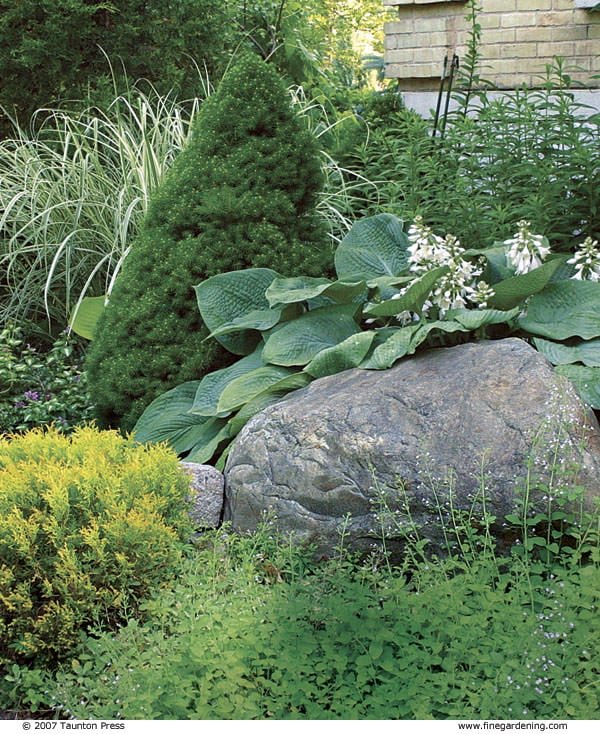
Imagine a garden that never truly sleeps, a landscape that holds its structure and color even as winter winds howl or summer heat takes its toll on other plants. This isn't a pipe dream for the perpetually green-thumbed; it's the enduring promise of incorporating conifers into your landscaping and garden design. These woody, cone-bearing plants, with their distinctive needle-like or scale-like leaves, are the steadfast anchors of any well-considered outdoor space, offering an unparalleled range of forms, textures, and year-round hues.
From towering sentinels that scrape the sky to ground-hugging mats that define borders, conifers are far more diverse than many realize. They are living architectural elements, providing critical backbone and interest through every season, often demanding less fuss than their deciduous counterparts. If you're looking to elevate your garden's aesthetic, boost its resilience, and enjoy its beauty 365 days a year, conifers are an indispensable part of the equation.
At a Glance: Why Conifers Are Your Landscape's Secret Weapon
- Year-Round Appeal: Most conifers are evergreen, ensuring continuous color and structure.
- Incredible Diversity: A vast range of sizes, shapes, and foliage textures and colors.
- Low Maintenance: Generally easy to grow and adaptable once established.
- Architectural Anchors: Provide strong, permanent focal points and garden structure.
- Problem Solvers: Thrive in challenging sites where other plants struggle.
- Beyond Green: Offer stunning yellows, blues, golds, and even plums.
What Makes a Conifer? A Quick Primer
Before we delve into their design potential, let's briefly define what we're talking about. Conifers are a large, ancient group of woody plants identified by their cones, which house their seeds, and their unique foliage—either needle-like (like pines and spruces) or scale-like (like arborvitae and false cypress). While most people envision conifers as towering, majestic evergreens, the family tree is much broader.
Indeed, the vast majority retain their foliage through every season, a defining characteristic that makes them so valuable for winter interest. However, some fascinating exceptions, like the Bald Cypress, Dawn Redwood, and Larch, are deciduous, shedding their leaves in fall after a spectacular color display. Predominantly found in the cooler regions of the Northern Hemisphere, conifers have adapted to thrive in an astonishing array of climates, from boreal forests to warmer coastal areas, making them incredibly adaptable to many garden settings.
The Unsung Heroes of Year-Round Beauty: Why Choose Conifers?
The appeal of conifers extends far beyond their evergreen nature. They are truly the unsung heroes of the landscape, offering a host of benefits that can transform a garden from merely seasonal to genuinely spectacular.
First and foremost, they provide evergreen structure. When perennials die back and deciduous trees shed their leaves, conifers stand tall, maintaining the garden's bones. This means your landscape won't look bare or desolate in the colder months. They offer a sense of permanence and continuity.
Beyond structure, their diversity in form, texture, and color is astounding. Forget the monotonous image of a generic green Christmas tree. Conifers come in every imaginable shape—narrow columns, broad pyramids, weeping giants, sprawling groundcovers, and perfectly rounded mounds. Their foliage can be soft and feathery, stiff and spiky, or flat and lacy. And the color palette? It ranges from deep forest greens to vibrant chartreuses, steely blues, radiant golds, and even hints of plum or bronze, especially in winter.
Moreover, conifers are often wonderfully low maintenance. Once established, many are drought-tolerant and require minimal pruning, fertilizing, or fuss. This makes them an excellent choice for busy gardeners or those looking for a high-impact, low-effort landscape solution. They're also incredibly adaptable, with a species or cultivar suitable for almost any growing condition, from full sun to partial shade, and a wide range of soil types. This adaptability extends to their functional roles: they can serve as privacy screens, windbreaks, focal points, specimen trees, hedges, or groundcovers, making them incredibly versatile tools in your design arsenal.
Your Conifer Catalog: Popular Picks for Every Purpose
With over 600 species and countless cultivars, diving into the world of conifers can feel overwhelming. To make it easier, let's explore some popular and impactful types, grouped by their typical role or defining characteristic in the garden.
Giants and Grand Statements
These conifers are destined to become the stately backbone of your landscape, demanding attention with their impressive size and commanding presence.
- Coast Redwood (Sequoia sempervirens): The world's tallest tree in the wild, this native of California and Oregon coastlines brings incredible verticality (60-100 ft in cultivation, much more in the wild) and a majestic presence. Its reddish-brown bark, straight trunk, and soft green needles create a truly iconic silhouette. A living legacy, they can live for millennia.
- Giant Sequoia (Sequoiadendron giganteum): While not as tall as the Coast Redwood, this Sierra Nevada native is the largest tree by volume. Growing 60-275 ft tall with massive trunks, it boasts spirally arranged blue-green needles and a grand, ancient character. A powerful statement plant, best for large properties.
- Bald Cypress (Taxodium distichum): A fascinating deciduous conifer, this southeastern U.S. native thrives in wet soils, even standing water, where it develops distinctive "knees." Its upright pyramidal form (50-70 ft tall) is adorned with soft green needles that turn a spectacular cinnamon-brown in fall before dropping.
- Dawn Redwood (Metasequoia glyptostroboides): Another elegant deciduous conifer, the Dawn Redwood (70-100 ft tall) features a refined conical habit and feathery needles that transition from bright green to dark green, culminating in coppery orange-brown in autumn. A wonderful choice for adding seasonal color to the conifer palette.
Reliable Privacy Screens & Hedges
For defining boundaries, blocking unsightly views, or creating intimate garden rooms, these conifers grow dense and tall, offering year-round seclusion.
- Arborvitae (Thuja spp.): A landscape staple, Arborvitae comes in a huge range of sizes (1-70 ft tall) and habits (conical, pyramidal, mounding). Varieties like ‘Emerald Green’ are classic for dense, low-maintenance hedging and screening with their aromatic green or gold flattened needles.
- Leyland Cypress (x Cupressocyparis leylandii): This fast-growing hybrid (60-70 ft tall) forms a dense, elegant pyramidal screen of flattened blue-green needles. It's a go-to for quick privacy and windbreaks, though its rapid growth means occasional shearing to maintain size.
- Italian Cypress (Cupressus sempervirens): Revered for its dramatic, narrow columnar form (40-70 ft tall), the Italian Cypress brings a touch of Mediterranean grandeur. Its dark blue-green foliage and drought tolerance make it perfect for formal hedges, architectural accents, or creating a dramatic vertical line in warmer climates.
Textural Wonders & Focal Points
These conifers are chosen not just for their size, but for their unique foliage textures, striking forms, or distinctive characteristics that make them stand out.
- False Cypress (Chamaecyparis spp.): This diverse genus (5-130 ft tall) offers an astonishing array of forms, sizes, and colors—from chartreuse mounding types to blue-green upright columns. Hinoki cypress cultivars are particularly prized for their artistic structure and fine, layered foliage.
- Japanese Cedar (Cryptomeria japonica): With a pyramidal habit (50-60 ft tall) and fragrant, soft blue-green or golden spirally arranged needles, the Japanese Cedar brings a refined elegance. Dwarf cultivars like ‘Globosa Nana’ offer similar texture in a compact form, making them excellent focal points.
- Japanese Umbrella Pine (Sciadopitys verticillata): A living fossil, this slow-growing evergreen (25-30 ft tall) is named for its unique umbrella-like whorls of long, slender needles. It's a sculptural plant, starting pyramidal and opening gracefully with age, offering an unparalleled texture.
- Monkey Puzzle Tree (Araucaria araucana): Valued for its architectural habit and thick, scale-like leaves, this South American native (50-80 ft tall) is a true conversation starter. Its open pyramidal form matures into an umbrella-shaped canopy, thriving in mild maritime climates.
Versatile Shrubs & Groundcovers
Not all conifers are towering trees. Many remain compact, offering valuable texture and color for borders, rock gardens, or underplantings.
- Juniper (Juniperus spp.): This vast genus (6 inches to 130 ft tall) includes everything from sprawling groundcovers (like Creeping Juniper) to upright trees. Their soft, scale-like leaves come in various greens, blues, and golds, making them incredibly versatile for sun-baked slopes, low hedges, or foundation plantings.
- Yew (Taxus spp.): Known for its dense, dark green needles and tolerance for shearing, Yew (4-60 ft tall) is a classic choice for formal hedges, topiaries, and foundation plantings. Its resilience and adaptability make it a garden favorite, but remember all parts are highly toxic.
- Podocarpus (Podocarpus spp.): Often called yew pine, this versatile evergreen (6-50 ft tall) offers fine green or gold needles and colorful berries. It can be used as a shrub, privacy screen, or even a small tree, adapting well to various forms.
- Mugo Pine (Pinus mugo): While pines are generally large, the Mugo Pine is a popular dwarf variety (typically 3-5 ft tall and wide) that forms a dense, rounded mound of stiff green needles. It's excellent for rock gardens, small spaces, or as a contrasting texture in a mixed border.
Classic & Beloved Choices
These are the conifers many people first think of, offering quintessential conifer charm and wide adaptability.
- Fir (Abies spp.): A diverse genus (10-200 ft tall) with short, stiff needles attached individually to branches. Firs are known for their decorative, upright cones and fragrant foliage. Noble fir and Balsam fir are popular Christmas trees, offering beautiful form and scent. If you're looking for detailed information on this classic, check out Your complete firt guide for in-depth insights.
- Spruce (Picea spp.): Distinguished by pungent, four-sided needles attached singly to peg-like structures, spruces (1-160 ft tall) offer a sturdy, often formal presence. Colorado blue spruce is famous for its striking blue foliage, while Norway spruce is a rapidly growing, graceful Christmas tree choice.
- Pine (Pinus spp.): This widespread genus (10-130 ft tall) is recognized by its needle clusters (usually 2-5 needles per bundle). Pines offer a huge variety of forms and textures, from the long-needled Eastern White Pine to the rugged Bristlecone Pine. They are excellent for windbreaks, specimen trees, or adding a naturalistic feel.
- Hemlock (Tsuga spp.): Known for their finely textured, short green needles and slightly drooping form, Hemlocks (40-150 ft tall) add a graceful, soft element to the landscape. They tolerate shade well and can be pruned into lovely hedges or screens.
- Cedar (Cedrus spp.): True cedars, native to the Mediterranean and Himalayas, are magnificent trees (3-60 ft tall) with aromatic needles in green, gold, or blue. Deodar cedar and Atlas cedar are popular, often showcasing elegant weeping forms or stately, broad structures.
- Larch (Larix spp.): A surprising entry, the Larch (40-100 ft tall) is a deciduous conifer, shedding its soft, feathery green needles in winter after they turn a brilliant yellow-gold in fall. This unique characteristic makes it a striking seasonal accent in cooler climates.
Designing with Conifers: Crafting a Landscape Masterpiece
Integrating conifers effectively goes beyond simply planting them. It involves understanding their year-round presence and using their unique attributes to create balance, texture, and lasting beauty. Conifers aren't just green backdrops; they are key players in the garden's visual narrative.
Anchor Your Garden with Strong Shapes
Conifers are inherently architectural. Their evergreen nature means their silhouette remains constant, making them perfect for defining garden structure. Think of them as the permanent framework onto which you layer seasonal interest.
- Vertical Forms as Exclamation Points: Upright, narrow, or weeping conifers draw the eye upwards and provide strong focal points. Place them strategically at the ends of beds, near architectural features like a home's corner, or to frame a view. They connect the garden to the larger environment. Avoid placing them randomly in the middle of a bed where they might look like a lonely flag when surrounding perennials die back. Consider the elegant 'Sulphurea' Arizona cedar for its slender form, the dramatic Weeping Norway Spruce, or the striking Weeping Blue Atlas Cedar.
- Rounded Shapes for Softness and Bulk: Mounding or rounded conifers provide visual weight and a softening effect, especially valuable in winter when they stand out. These shapes are ideal for the middle ground of a garden bed, where they blend beautifully with other plants during the growing season and offer substance when those plants recede. Examples include the compact ‘Gyokuryu’ Japanese cedar or the charming ‘Urchin’ white pine.
- Prostrate Forms for Ground-Hugging Harmony: Ground-hugging or spreading conifers are fantastic for edging beds, stabilizing slopes, or softening hardscape elements. They thrive in lean soils and high-traffic areas, and effectively hide the often-leggy bases of taller deciduous plants. Creeping Juniper is a classic choice, offering extensive coverage and drought tolerance.
Weaving a Tapestry of Texture
Conifers excel at adding textural interest, a crucial element for a dynamic landscape. Combine coarse-textured plants with fine-textured ones to create visual excitement.
- Fine Textures in Shade: In shadier parts of the garden, where flowering color can be limited, conifers with fine, needle-like textures truly shine. They offer a delicate quality not often found in shade-loving perennials. Pair dwarf Japanese cedar or the bright 'Golden Mop' false cypress with bold-leaved plants like hostas, ligularias, or ferns to create compelling contrast. Even white pines like 'Greg' offer a soft, elegant texture suitable for dappled light.
- Bold Textures in Sun: In sunnier locations, where there's often more competition for attention, conifers with strong, coarse textures make a powerful statement. Their distinctness helps them stand out amongst a vibrant mix of flowering plants. The Blue China fir, with its unique, coarse, steely blue needles, is a fantastic example that provides both color and texture.
Painting with Color: Strategic Hues Beyond Green
Conifers offer a surprisingly vibrant palette that extends far beyond the familiar green. These non-green hues are incredibly valuable, especially in regions where summer perennials struggle in intense heat, or for providing eye-catching winter interest. To maximize their impact, place colorful conifers in spots that typically lack interest during specific seasons. Full sun usually intensifies these spectacular colors. For a cohesive look, aim to select no more than two dominant non-green colors for your garden.
- Golden Glows and Chartreuse Flashes: Yellow and gold conifers bring warmth and light to the garden, especially effective in brightening dull corners or contrasting with darker foliage. 'Morgan' Oriental arborvitae is a durable choice that tolerates diverse soils and maintains its vibrant gold through the seasons. Another excellent option is the 'Saybrook Gold' juniper, which provides a bright, spreading splash of color.
- Silvery Blues and Steely Greys: Blue conifers offer a cool, sophisticated elegance, reminiscent of frosty landscapes. Their hues provide excellent contrast against green or gold plants. The majestic ‘Karl Fuchs’ deodar cedar, with its tall and stately presence, features beautiful silvery-blue needles. For a smaller, slow-growing, and heat-tolerant option, consider ‘Silberlocke’ Korean fir, known for its needles that curl to reveal a silvery underside.
Solving Common Conifer Design Dilemmas
Even with the right knowledge, designing with conifers can present a few challenges. Here are some common conundrums and practical solutions.
How Many Conifers Do You Really Need?
This is a common question. If you want your garden to maintain strong year-round beauty and benefit from lower maintenance, aim for roughly 25% conifers in your overall plant composition. This percentage provides enough evergreen structure to be impactful without making your garden feel like a strictly botanical collection. Less than 10% may not create a significant enough impact, while much more might lean towards a monoculture.
Gaps While Conifers Fill In?
Conifers, especially larger varieties, can take time to reach their mature size. To avoid awkward empty spaces in the interim, employ some clever temporary strategies.
- Annuals and Tropicals: These provide instant color and volume. Plant them around your young conifers, reducing their numbers as the conifers grow and fill out.
- Perennials: Use fast-growing perennials that can easily be divided or relocated if they become crowded. Many perennials can also thrive happily for years underneath the canopy of imposing conifers as they mature, especially those that enjoy dappled shade.
Conifers for Challenging Sites: The Ultimate Problem Solvers
Conifers are exceptionally durable and tolerant, making them go-to plants for difficult areas where other plants simply give up. There is almost always a conifer that can thrive in a less-than-ideal spot.
- Boggy, Damp Spots: Some conifers tolerate or even prefer moist conditions. Bald Cypress and Dawn Redwood are prime examples, thriving in consistently damp or even periodically submerged soils.
- Steep, Sunny Slopes: Groundcover junipers are unsurpassed for erosion control on slopes, offering attractive foliage and requiring minimal care once established.
- Sun-Baked Driveway Strips: Junipers again, along with certain heat-tolerant pines and false cypresses, can withstand the reflected heat and dry conditions of these tough spots.
- Dry Shade: While challenging, conifers can offer solutions. Siberian Cypress is known for its ability to perform well in dry, shady conditions, providing a fine texture where little else thrives. Arborvitae, with its broad adaptability, can also tolerate partial to dry shade once established.
Caring for Your Conifers: Simple Steps for Lasting Health
Conifers are generally low-maintenance, but a little foundational care ensures they remain healthy and vibrant for years to come.
Planting Right: Site Selection & Soil Prep
The most critical step for conifer success is choosing the right location. Consider the mature size and light requirements of your chosen conifer. Most prefer full sun (at least 6 hours direct sun daily) for best growth and color, but some tolerate partial shade.
- Drainage is Key: Conifers absolutely despise "wet feet." Ensure your soil is well-draining. If you have heavy clay, amend it generously with organic matter like compost to improve aeration and drainage. For individual trees, dig a hole twice as wide as the root ball but no deeper, ensuring the root flare is at or slightly above soil level.
Watering Wisely: Establishing & Maintaining
- Establishment Period: For the first year or two after planting, consistent watering is crucial. Water deeply and regularly (once or twice a week, more in hot, dry weather) to encourage a strong root system.
- Mature Plants: Once established, many conifers are remarkably drought-tolerant. However, supplemental watering during extended dry spells, even for mature plants, can prevent stress and maintain vigor. Always check soil moisture a few inches down before watering again.
Pruning & Maintenance: Less is Often More
Many conifers require minimal pruning beyond removing dead, diseased, or damaged branches.
- Shaping vs. Shearing: For most conifers, especially pines and spruces, avoid severe shearing, which can create unnatural forms and reduce their long-term health. Instead, practice selective pruning to maintain their natural shape or remove errant branches. Hedges like arborvitae and yew are exceptions, as they tolerate regular shearing to maintain a formal shape.
- Candle Pruning: For pines, "candle pruning" (pinching off half of the new growth, or "candles," in spring) can help manage size and encourage denser foliage.
Pest & Disease Watch: What to Look For
Conifers are generally robust, but can occasionally be affected by pests or diseases.
- Common Pests: Look out for spider mites (especially in hot, dry conditions), aphids, bagworms, and borers. Early detection is key.
- Diseases: Fungal issues like rusts or blights can occur, often exacerbated by poor air circulation or excessive moisture. Proper spacing and good cultural practices help prevent these problems.
Quick Answers to Your Conifer Questions
You've got questions, we've got quick answers to clarify some common conifer curiosities.
Are all conifers evergreens?
No! While the vast majority are evergreen, some notable exceptions exist. Bald Cypress, Dawn Redwood, and Larch are all deciduous conifers, shedding their needles in the fall after a beautiful display of autumn color.
How fast do conifers grow?
Growth rates vary dramatically by species and cultivar. Some, like Leyland Cypress, are famously fast growers, adding several feet per year, making them excellent for quick privacy screens. Others, like Japanese Umbrella Pine or dwarf varieties of many species, are very slow-growing, adding only a few inches annually. Always check the mature size and growth rate for the specific conifer you're considering.
Are conifers toxic to humans or pets?
Yes, some conifers are toxic. The most well-known example is the Yew (Taxus spp.), all parts of which (especially the bright red berries, which contain highly toxic seeds) are poisonous if ingested. Other conifers, while not as acutely toxic, may cause mild irritation or discomfort if leaves or sap are consumed. It's always wise to research the specific plant and exercise caution, especially if you have pets or small children.
Can conifers grow in pots or containers?
Absolutely! Many dwarf and slow-growing conifer varieties are excellent choices for containers. Their year-round presence, diverse shapes, and textures make them fantastic additions to patios, balconies, or mixed container arrangements. Ensure the pot has good drainage and choose a potting mix suitable for woody plants. Remember that container plants will need more frequent watering than those in the ground.
Bringing Your Conifer Vision to Life: Your Enduring Landscape Awaits
Stepping into the world of conifers in landscaping and garden design opens up a realm of enduring beauty, texture, and color. These resilient plants offer solutions for nearly every garden challenge and design aspiration, from creating dense, private sanctuaries to crafting intricate, year-round focal points. By understanding their forms, appreciating their diverse textures and colors, and following a few simple design principles and care tips, you can transform your outdoor space into a vibrant, architecturally sound landscape that delights in every season.
Don't let the sheer variety intimidate you. Start by identifying a specific need or desire in your garden – perhaps a screen for privacy, a striking specimen for winter interest, or a groundcover for a difficult slope. Then, explore the incredible range of conifers available, allowing their unique characteristics to inspire your choices. With conifers, you're not just planting a tree or a shrub; you're investing in the lasting health, beauty, and structure of your garden, creating an outdoor haven that will reward you year after year.